wingwave® coaching
What is a wingwave coach?

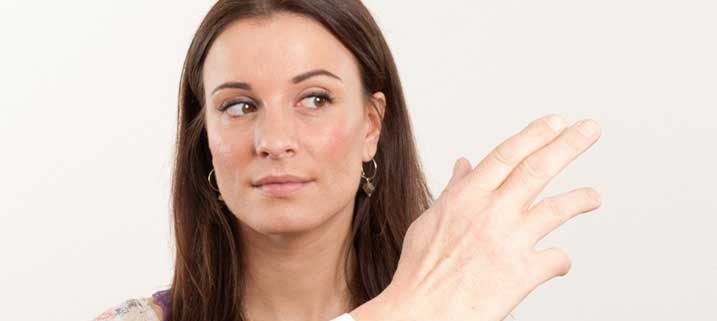
Bilateral hemisphere stimulation through rapid hand movements by the coach
wingwave® coaching is a performance and emotion coaching method that quickly and noticeably reduces performance stress and increases mental fitness, creativity, and conflict stability in just a few sessions. The techniques used here are based on the latest findings in brain research.
Three core elements of the wingwave coaching method are
- bilateral hemisphere stimulation of the brain
(i.e., visual, auditory, or tactile left-right stimulation techniques) - the myostatic test

(for targeted planning of the coaching process and as an objective measure of success) - Specific NLC techniques– Neurolinguistic Coaching
(resource- and solution-oriented communication techniques to support the coaching process)
Procedure and effectiveness of wingwave coaching
Sometimes events are so impressive, formative, or stressful that they cannot be fully processed by the brain. These can then literally block us or trigger stressful memories in similar situations, causing unpleasant stress stimuli or behavior patterns to reappear. This can even lead to fears with physical symptoms. These can also be events from childhood that happened a long time ago, but which still play out in a similar way today or trigger corresponding feelings in us.
The Myostatik test (muscle feedback instrument) is used to determine the exact trigger of the stressful circumstance (stress imprinting) or unpleasant emotions. After the coachee (client) has been appropriately prepared, bilateral hemisphere stimulation begins. Here, the coach guides the coachee's gaze with rapid hand movements.

Coaching includes setting goals, coaching discussions, and performance reviews.
This seemingly simple basic intervention triggers blocked processing mechanisms in the brain and stimulates the processing of "stress imprints" (stressful memories). We refer to this process as "wakeful" REM (rapid eye movement) phase simulation. Everyone experiences these REM phases (rapid eye movements during dream sleep), as they serve to naturally process daily experiences.
In EMDR (Eye Movement Desensitization and Reprocessing), where the above-mentioned stimulation technique has been used since the 1980s, it has been found that this processing can also be stimulated while awake.
wingwave often leads to a reduction in stressful symptoms in just 3 to 5 sessions. These symptoms can include stressful thoughts, unpleasant memories and experiences, or even blocking emotions and beliefs (e.g., one's own attitude and belief patterns), which are processed and changed with wingwave. Coachees therefore often report an increase in conflict stability, mental fitness, better performance, and greater creativity.
Explanatory video on wingwave coaching
History of wingwave coaching
At the end of the 1980s, various coaching trainers and therapists in the USA were investigating the use of "awake REM phases" for the emotional regulation of disruptive stress memories. American psychotherapist Francine Shapiro developed this into the method now known as EMDR for the treatment of post-traumatic stress.
Bilateral hemisphere stimulation in wingwave coaching was borrowed from EMDR. EMDR stands for desensitization and processing of trauma-related disorders through eye movements. EMDR is recognized as a scientifically based psychotherapy method, as the effectiveness of this technique has been proven in numerous studies.
wingwave is a globally protected and recognized short-term coaching concept.
Due to the already very good treatment success rates with EMDR techniques—including up to 80-90% for post-traumatic stress disorders, anxiety, and other stress response patterns—the short-term coaching method "wingwave" was developed. Wingwave has also been used to achieve and demonstrate enormous success and the same positive changes in mentally and physically healthy people.
wingwave is a protected method and is now successfully used in business and personal life, competitive sports, education and teaching, healthcare, and artistic circles.
As with any coaching program, wingwave coaching involves setting goals, coaching sessions, and performance reviews.
Who is wingwave coaching suitable for?
wingwave coaching is suitable for anyone in a normal, healthy mental and physical condition. This means that mental stability and resilience are required, as is usually the case with coaching, because wingwave is not psychotherapy and cannot replace it.
Areas of application for wingwave coaching
- Stress imprinting, negative experiences, performance stress
Examples: insults, conflicts, separations, defeats, financial "dry spells," etc. - Anxiety with or without physical symptoms
Examples: exam anxiety, fear of public speaking, fear of flying, fear of dental treatment; after accidents or injuries
Example: excessive consumption, cravings- Negative emotions and behavior patterns
Examples: jealousy, negative spirals, recurring topics of conflict - Resource coaching
e.g., to increase creativity, self-image coaching, performance improvement - Belief coaching
e.g., dismantling beliefs that limit performance, euphoria traps
The basis for good coaching is mutual respect and trust between coach and coachee. For this reason, I offer you a non-binding initial consultation for CHF 60 (CHF 45 for school pupils/students).
–> To the schedule and price overview
Video examples of wingwave coaching
In the following video series, you will gain insight into the process and effects of wingwave coaching on various topics. These can also be helpful in preparing for your first personal wingwave session.
Turbo coaching against stress and anxiety
wingwave quality awardsl – certified since 2017
The wingwave seal of quality confirms my accreditation as an ISO-certified wingwave coach by the Besser-Siegmund Institute and also my commitment to keeping the method up to date with the latest scientific and research findings through ongoing training and to applying it accordingly.
