reflexology
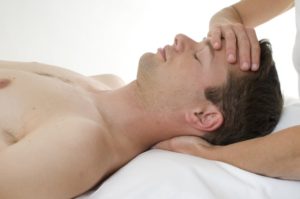
Soothing and balancing, cranial reflexology massage
What is reflexology?
Reflexology is a whole-body reflex zone treatment that uses advanced natural healing methods. The sensible combination of various reflex techniques results in a holistic and natural treatment concept that is even more comprehensive and effective than treating the foot reflex zones alone. Depending on the symptoms, one or more of the following treatment methods may be used:
- Massage of the key muscles
- Techniques for bending rather than straightening vertebrae and joints
- Post-isometric relaxation
- foot reflexology
- Hand reflexology massage
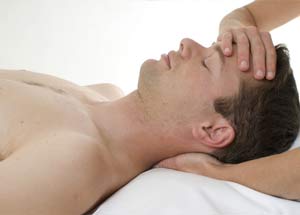
- Skull reflexology massage
- ear reflexology
- cupping
- Wraps and packs
Reflexology involves gentle stretching of the muscles and joints, massage of the corresponding muscles using fascia/connective tissue and cupping massage techniques, as well as specific pressure and massage techniques to stimulate the reflex zones on the feet, hands, skull, and ears. In addition, skin and reflex zones relevant to developmental embryology can be treated throughout the body using massage, cupping, wraps, or packs.
Areas of application:
- muscle tension
- back pain
- Shoulder/neck pain
- Stomach and intestinal problems
- Stress and tension
- General exhaustion
- Menopausal symptoms (hormonal imbalances)
- Menstrual cramps, PMS
- whiplash
- Headaches and migraines
- circulatory problems
- sleep disorders
- allergies
- Lymphatic problems (reflexive lymphatic treatment)
- Scar removal
and much more.
History of reflexology

Reflex zones are located not only on the feet, but also on the hands, ears, and skull.
Reflexology, like foot reflexology, is based on the theory and science that certain areas of the body on the feet, hands, ears, and skull, as well as developmental-embryological skin areas (cells), are connected to corresponding bodily functions, organs, glands, muscles, and body parts.
The reflex cupping zones and characteristic muscles are largely based on embryology and the specialization of cells during cell division, and the development of the fetus in the womb. These are divided into ectoderm, mesoderm, and endoderm.
- The ectoderm forms the skin (dermatome), nervous system (neurotome), and skeleton (sclerotome).
- Connective tissue (fascia) and musculature (myotome) form from the mesoderm.
- Vessels (vasotome) and internal organs (enterotome) form from the endoderm.
Since these originate from the same cell complex or are innervated by the same spinal nerve, it is possible to classify them into corresponding body segments and reflex zones.
The reflex zones on the hands and feet, on the other hand, are based on the theory and findings of Dr. William Henry Fitzgerald, who believed that the hands and feet are a microcosm of the entire organism (body), in which all organs, muscles, glands, and other body parts are reflected in corresponding reflex zones.
This explanation is not exhaustive and is therefore only intended to provide a rough insight into the function and principle of reflexology.
How reflexology works
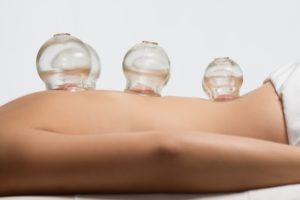
Cupping reflex zones of the skin is a tried-and-tested, natural treatment method used by naturopaths.
Specific stimulation of the reflex zones of the body (through pressure, massage, cupping, wraps, or packs) triggers reactions in the corresponding body systems, resulting in relaxation or stimulation. This initiates a gradual return to inner balance. Reflexology can therefore have positive effects on bodily functions, muscles, and the psyche.
The muscles, organs, glands, nerves, and body parts connected to the skin and reflex zones are better supplied with blood, stimulated, or relaxed. Displaced vertebrae in the cervical, thoracic, or lumbar spine can gently be moved back into their natural position, allowing the joints to move more freely.
The self-regulating bodily functions of the organs and glands are also reactivated and harmonized. This allows blocked energies throughout the body to be released, any YIN/YANG imbalances to be corrected, and mental and physical tension to be reduced and brought into balance.
Treatment procedure for reflexology
1. Recording personal details and medical history
2. Brief discussion about well-being, personal issues, and complaints
3. Visual and tactile examination, locating scars and conspicuous areas of skin
4. Reflexive treatment of reflex zones, cupping zones, and key muscles if necessary
5. Final discussion
treatment duration
Please allow sufficient time for arrival and treatment so that you can experience the success of the treatment without time pressure and relax completely.
A reflexology massage usually lasts between 60 and 90 minutes, especially if there are any scar disturbances and during the initial consultation.

